The First Place AI Shows Up in a Factory Isn't a Robot. It's the Paperwork.
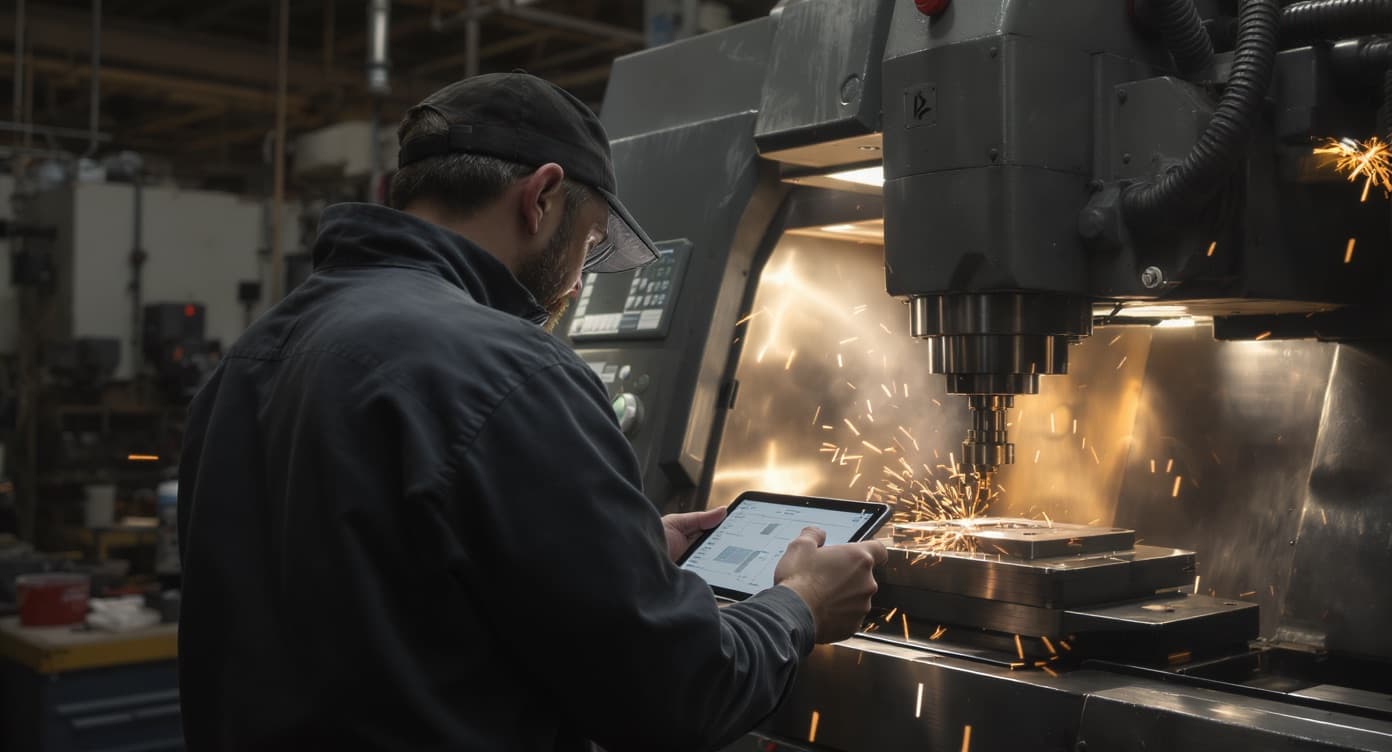
If you run a small manufacturing shop and you have been quietly putting off the whole AI conversation, this is the data point that should change how you think about where it starts. Not whether to start. Where.
When most owners picture artificial intelligence on a factory floor, they picture the expensive version. A vision system that inspects parts. A robot arm. A six-figure capital project that needs a champion, a budget fight, and a year of justification before anyone touches it. So the topic gets filed under “someday,” next to the other things that need a better quarter to afford.
A survey released June 3 says that picture is wrong about the first step. And the real first step is a lot smaller, cheaper, and more boring than the magazines led you to believe.
What the 2026 Survey Actually Found
The third annual Pulse of Quality in Manufacturing report surveyed 2,263 quality managers and directors at firms ranging from 1,000 to 50,000-plus employees across the US, UK, and Germany. The headline number is real adoption growth: 47 percent of manufacturers now use AI somewhere in their quality processes, up from 33 percent just a year ago. Another 43 percent plan to within two years.
But the number worth your attention is not how many. It is what for.
The report ranked the actual use cases. The number one answer was document automation, at 48 percent. Not defect detection, which came in at 44 percent. Not training, at 46 percent. The single most common place manufacturers are putting AI to work is the paperwork. The certs, the inspection reports, the compliance documentation, the quote packages, the records that have to be generated, formatted, and filed correctly every single time.
The robot arm everyone pictures came in behind the filing cabinet.
Why Paperwork, Of All Things
It makes sense the moment you stop thinking about what is impressive and start thinking about what is easy to hand off.
Document work has three traits that make it the perfect first job for software. It is repetitive, so the same task happens over and over in nearly the same shape. It has a clear right answer, so you can tell immediately whether the output is correct. And almost nobody on your team actually wants to do it, so handing it off creates relief instead of resistance.
Defect detection, by contrast, is high stakes and physical. Get it wrong and you ship a bad part. It needs cameras, sensors, integration with the line, and a lot of trust before anyone leans on it. Paperwork needs none of that. A document that took someone 40 minutes to assemble and proofread can be drafted in a fraction of the time, with a person still reviewing the final version before it goes out. The human stays in the loop. The 35 minutes of grind in the middle is what disappears.
That is why it is where adoption actually starts. It is the lowest-risk, fastest-payback corner of the whole operation.
What This Means If You Have Been Waiting
The most useful thing about this finding is what it does to the excuse.
The reason a lot of owners have not started is that they priced the whole thing at the cost of the robot. If “doing AI” means a capital project, then of course it waits for a better year. But the data says the manufacturers who are already in did not start with the capital project. They started with the annoying recurring document that ate an afternoon, made it fast, and felt the win.
That reframes the question entirely. It is not “can I afford an AI transformation.” You probably can't, and you don't need one. It is “what is the one recurring piece of paperwork in my week that should not take a person as long as it does.” The quote package you rebuild from three different places. The weekly production summary nobody has time to write. The compliance cert that follows the same template every time and still takes 40 minutes because someone has to hunt down the inputs.
Pick that one. Not the biggest one. The one that happens the most often and annoys you the most. That is where your peers started, and the survey says there are a lot more of them than there were a year ago.
The Quiet Reason This Matters More in 2026
There is a second piece of data that makes this more urgent than it looks. Manufacturing is hiring again, small shops are leading that hiring, and yet the majority of small employers trying to hire still cannot find qualified people. The binding constraint in a lot of shops is no longer finding work. It is having enough hands to do the work already won.
In that environment, every hour a skilled person spends assembling a document is an hour they are not on the floor, during a stretch when you cannot hire the next person to cover it. Document automation is not a tech upgrade in that light. It is a way to give your existing people their hours back at the exact moment those hours are most scarce.
That is the honest case. Not that AI is the future. That the cheapest, most boring corner of it solves a problem you have right now, today, on this week's quote board.